
The best discounts this week
Every week you can find the best discounts here.
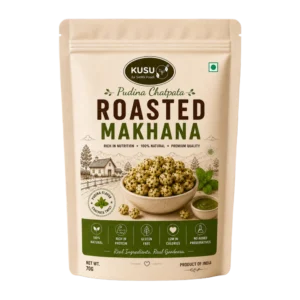
KUSU Pudina Chatpata Roasted Makhana
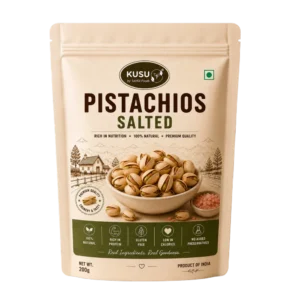
KUSU Pistachios Salted
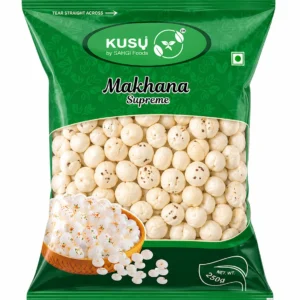
KUSU Makhana Supreme
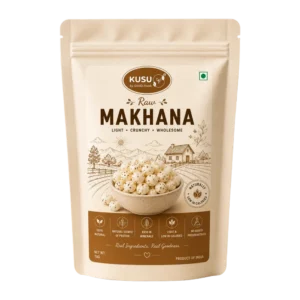
White Raw Makhana (5 Plus)
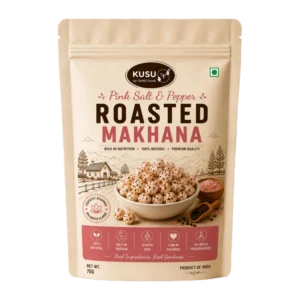
KUSU Pink Salt and Pepper Roasted Makhana
White Raw Makhana (4 Plus)
7 Real Benefits of Cashew Nuts (and How Many to Eat)
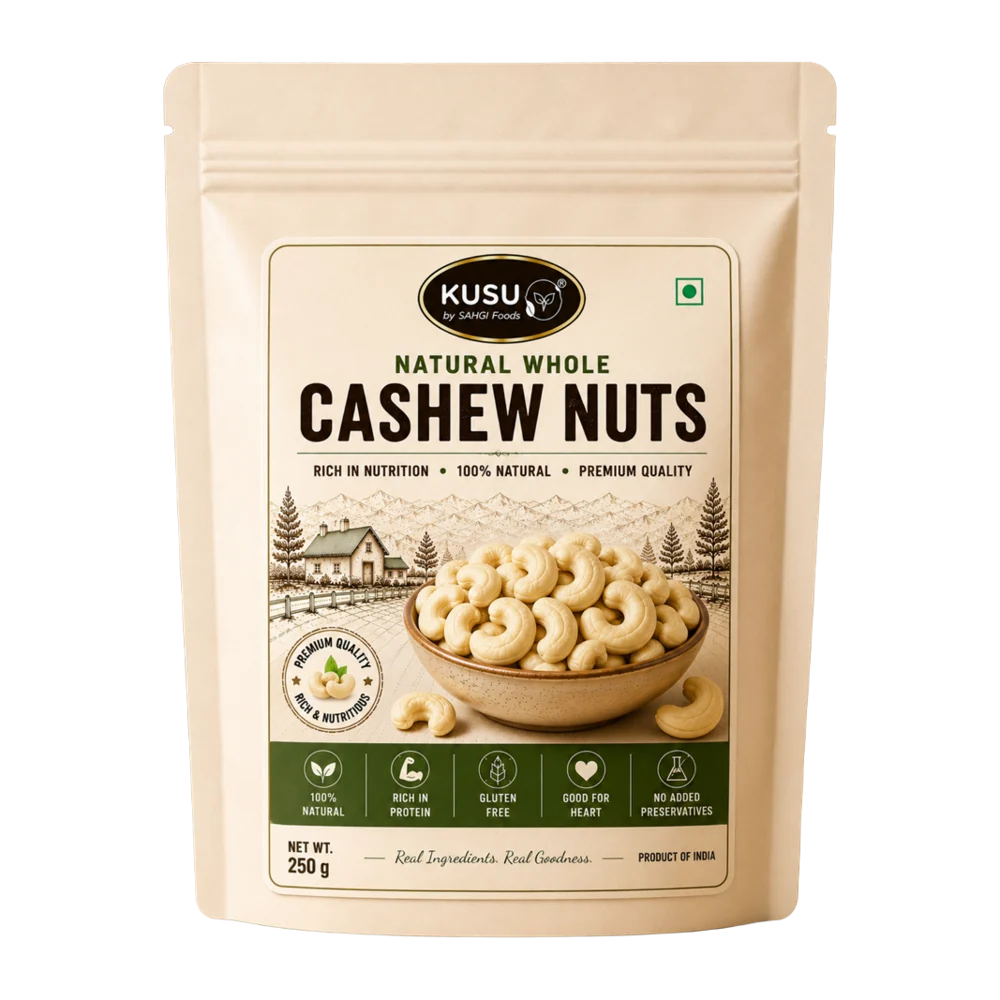
Kaju gets typecast as an indulgence, but the numbers tell a friendlier story. Here are the real benefits of cashew nuts – and how much is the right amount.
Heart-friendly fats
Most of a cashew’s fat is monounsaturated – the same family as olive oil – associated with healthy cholesterol profiles when replacing fried-snack fats.
Protein and minerals
Per 30g: ~5g protein plus meaningful copper, magnesium, zinc and iron – minerals that support immunity, energy metabolism and nerve function.
Brain and mood
Magnesium and healthy fats support cognitive function; cashews also provide tryptophan, a precursor the body uses to make serotonin.
Skin and hair
Copper feeds collagen and melanin production; vitamin E-adjacent fats keep skin supple. Cheaper than most serums, tastier too.
How many per day
A 30g portion – roughly 15-18 whole cashews – fits most diets. They are calorie-dense (~165 kcal per 30g), so measure rather than munch from the tin.
Choosing good cashews
Whole beats broken (fresher, better stored), and grade matters: bigger kernels like our jumbo whole cashew are creamier. Learn what W180/W320 mean in our cashew grades guide, or go straight to flavour with salted roasted cashews. Storage tips: keep nuts fresh.
Fresh, whole, small-batch roasted kaju – delivered.
Frequently Asked Questions
Do cashews raise cholesterol?
They contain no cholesterol; their mono-unsaturated fats are considered heart-friendly in sensible portions.
Raw or roasted cashews – which is better?
Nutritionally similar; light roasting improves taste and shelf life. Avoid heavily fried, over-salted versions.
Can diabetics eat cashews?
In measured portions cashews are low-GI; individual guidance should come from your doctor.
Explore SAHGI Foods — FAQs & Quick Links
Frequently Asked Questions
What is makhana?
Makhana, also called fox nuts or lotus seeds, are puffed seeds of the Euryale ferox plant, harvested mainly in Bihar, India. They are a light, crunchy, protein-rich snack that is naturally gluten-free and low in calories.
Is makhana good for weight loss?
Yes. Makhana is low in calories, high in protein and fibre, and keeps you full longer. Roasted makhana is a healthier alternative to fried snacks like chips.
What is 5 Plus or Supreme grade makhana?
Makhana is graded by pop size. 5 Plus and Supreme are the largest, whitest and crunchiest fox nuts with fewer broken pieces. SAHGI Foods sources these premium grades directly from Bihar.
How long does delivery take?
Orders are dispatched within 1 to 2 business days and delivered in 3 to 7 business days across India. You get tracking details by email once the order ships.
What is the shipping cost at SAHGI Foods?
Shipping is a flat Rs.99 across India and completely FREE on orders above Rs.1,400.
Do you deliver across India? Is COD available?
Yes, we deliver pan-India and cash on delivery is available. Orders are freshly packed and dispatched within 1-2 business days.
Can I return a product?
Yes. You can request a return or replacement within 7 days of delivery for damaged, incorrect or quality-affected items. Please notify us within 48 hours with photographs.
Are SAHGI Foods products natural?
Yes. All KUSU products are 100% natural with no preservatives, no artificial colours and no added junk. We only charge for pure food, not fancy packaging.