
The best discounts this week
Every week you can find the best discounts here.
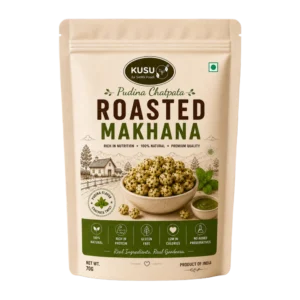
KUSU Pudina Chatpata Roasted Makhana
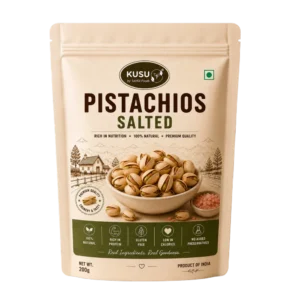
KUSU Pistachios Salted
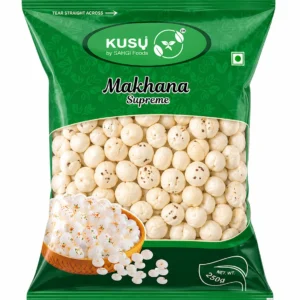
KUSU Makhana Supreme
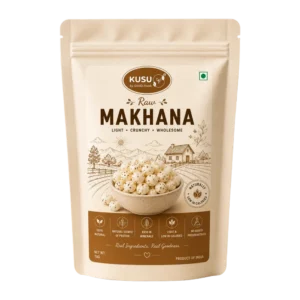
White Raw Makhana (5 Plus)
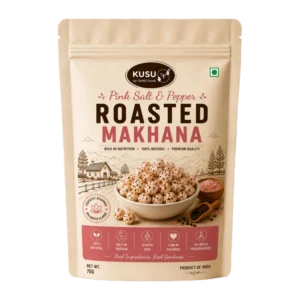
KUSU Pink Salt and Pepper Roasted Makhana
White Raw Makhana (4 Plus)
Pumpkin, Sunflower & Flax: The 3-Seed Guide for Indian Kitchens
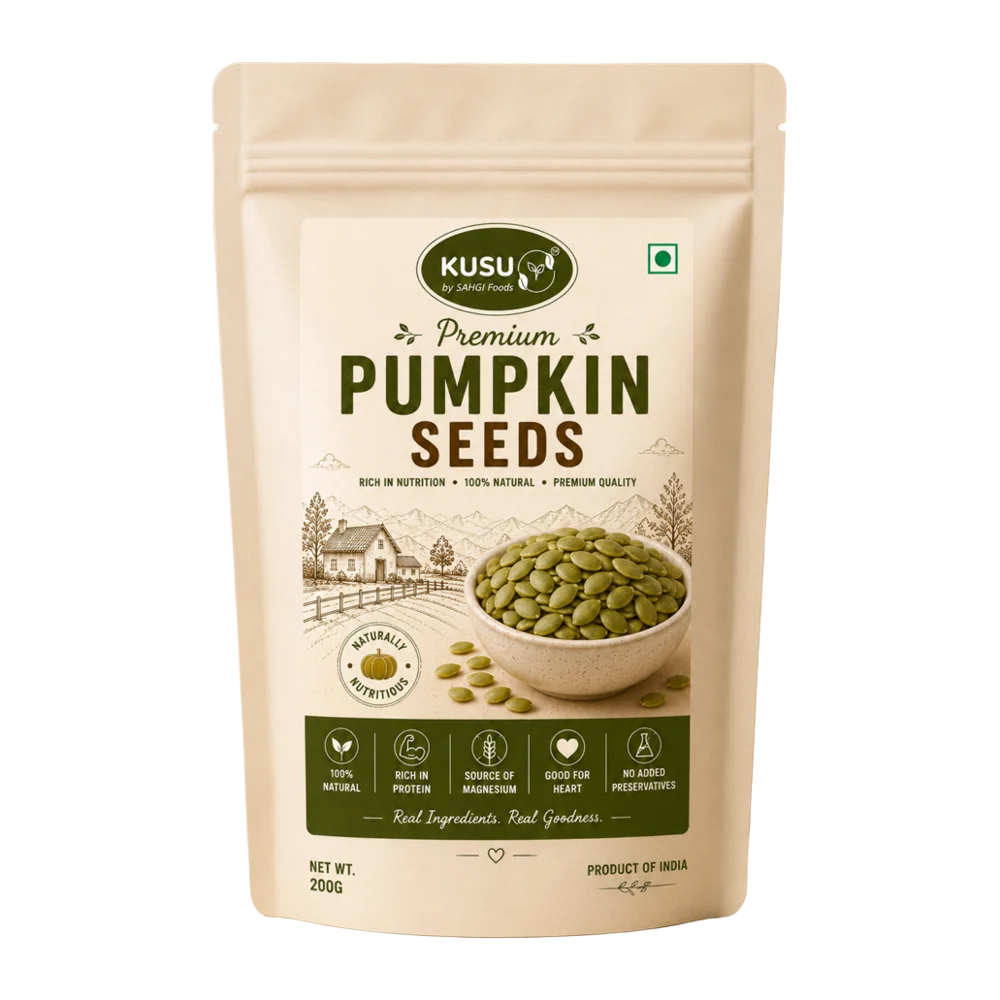
Tiny package, dense payload. Pumpkin, sunflower and flax – the three healthy seeds worth keeping in every Indian kitchen, and exactly how to use each.
Pumpkin seeds: the mineral bank
Magnesium, zinc and iron in serious amounts, plus ~8g protein per 30g. Zinc supports immunity and skin; magnesium calms muscles and sleep. Snack on roast-ready pumpkin seeds or scatter over salads.
Sunflower seeds: vitamin E power
One of the richest natural sources of vitamin E – the antioxidant your skin and cells rely on. Mild, buttery, endlessly snackable: KUSU Sunflower Seeds.
Flax seeds: the omega-3 plant
Flax (alsi) is the leading plant source of ALA omega-3, plus lignans and soluble fibre. Important: grind before eating – whole flax mostly passes through undigested. Get premium flax seeds and grind weekly batches.
How to actually use them daily
Morning: ground flax into porridge or curd. Office: pumpkin-sunflower mix in a dabba (or with roasted makhana for crunch variety). Dinner: toasted seeds over dal or salad. Rotation beats monotony.
Portions
1-2 tablespoons of each per day is plenty – seeds are calorie-dense. Store airtight; flax is best refrigerated once ground. More in our freshness guide.
All three seeds, sealed fresh, delivered together.
Frequently Asked Questions
Can I eat all three seeds together?
Yes – a mixed tablespoon or two daily is a common, sensible pattern.
Do seeds need roasting?
Pumpkin and sunflower taste better lightly roasted; flax should be ground raw or lightly toasted.
Are seeds safe for kids?
Ground or as butters for small children (whole seeds are a choking risk); older kids can snack normally.
Explore SAHGI Foods — FAQs & Quick Links
Frequently Asked Questions
What is makhana?
Makhana, also called fox nuts or lotus seeds, are puffed seeds of the Euryale ferox plant, harvested mainly in Bihar, India. They are a light, crunchy, protein-rich snack that is naturally gluten-free and low in calories.
Is makhana good for weight loss?
Yes. Makhana is low in calories, high in protein and fibre, and keeps you full longer. Roasted makhana is a healthier alternative to fried snacks like chips.
What is 5 Plus or Supreme grade makhana?
Makhana is graded by pop size. 5 Plus and Supreme are the largest, whitest and crunchiest fox nuts with fewer broken pieces. SAHGI Foods sources these premium grades directly from Bihar.
How long does delivery take?
Orders are dispatched within 1 to 2 business days and delivered in 3 to 7 business days across India. You get tracking details by email once the order ships.
What is the shipping cost at SAHGI Foods?
Shipping is a flat Rs.99 across India and completely FREE on orders above Rs.1,400.
Do you deliver across India? Is COD available?
Yes, we deliver pan-India and cash on delivery is available. Orders are freshly packed and dispatched within 1-2 business days.
Can I return a product?
Yes. You can request a return or replacement within 7 days of delivery for damaged, incorrect or quality-affected items. Please notify us within 48 hours with photographs.
Are SAHGI Foods products natural?
Yes. All KUSU products are 100% natural with no preservatives, no artificial colours and no added junk. We only charge for pure food, not fancy packaging.